
Agri Value Addition
"Elevating Excellence with Innovative Services & Training Platforms!"
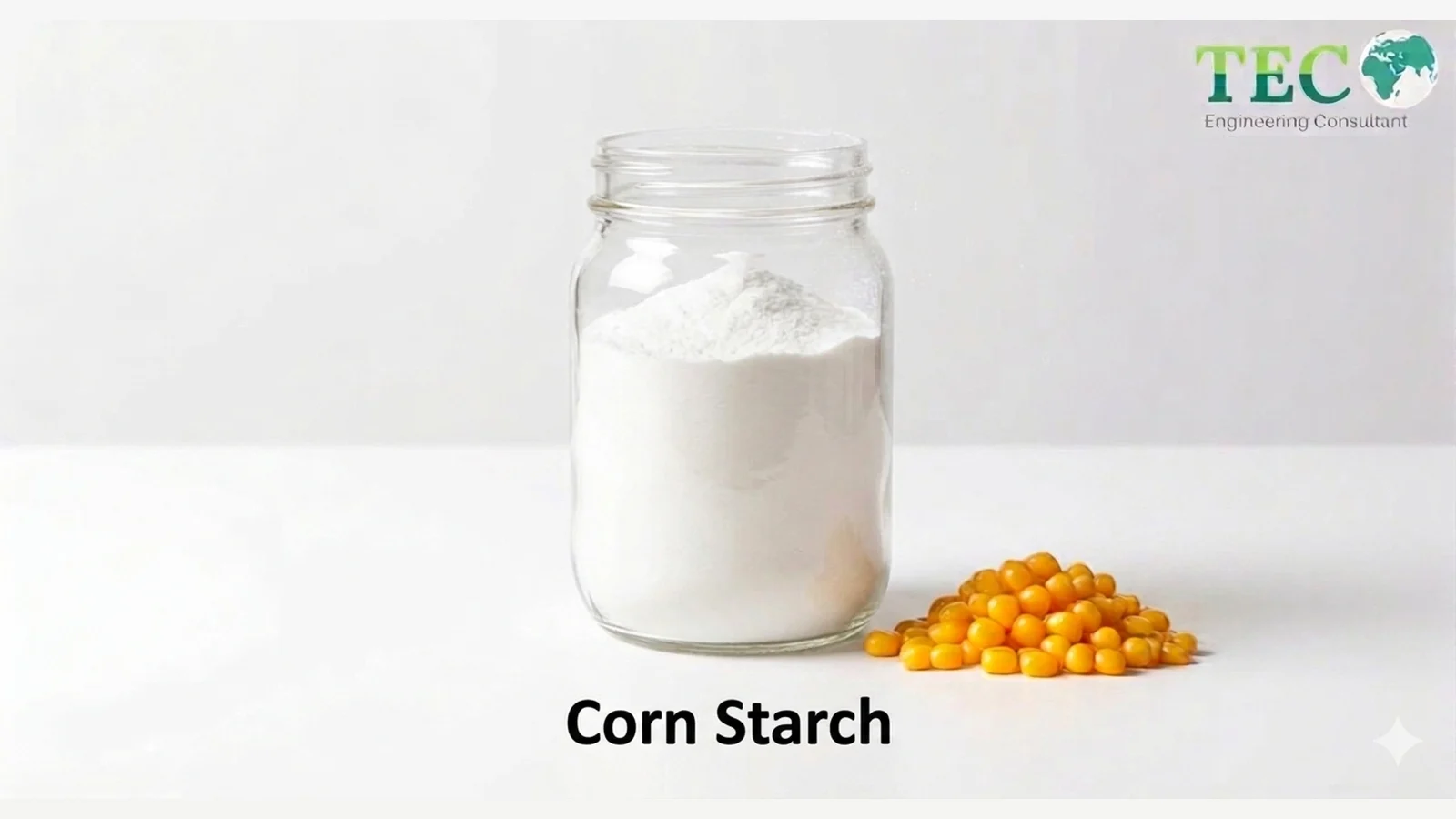
Corn Starch Project
Technology Exchange and Coordination (Pvt.) Ltd. is an industrial consulting firm specializing in Maize Based Projects and Sugarcane Based export-led projects. With over 30 years of expertise in setting up industries from project identification to boiler firing and customized feasibility studies, we have established ourselves as leaders in the field and have successfully set up multi-billion successful green field projects while keeping in view the demand and future trends of the industry. Revolutionizing Starch processing, smarter tech, greener methods, and higher efficiency for a sustainable future!
Starch Processing and Equipment Improvements During the last 15 years
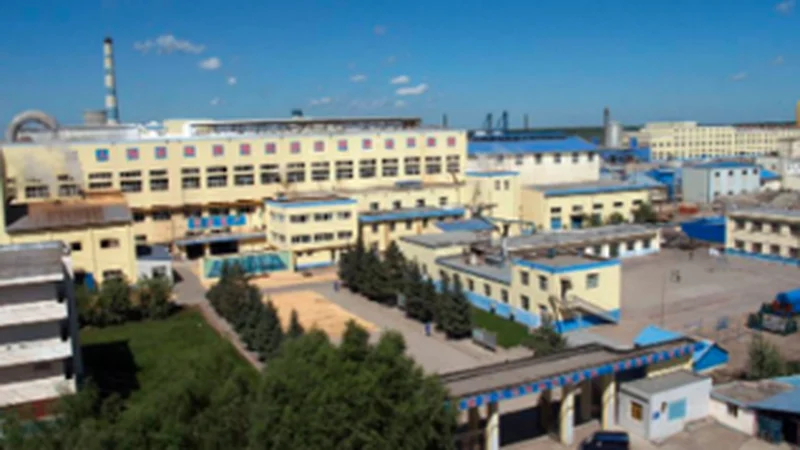
Improved Extraction Techniques
Enzyme-Assisted Extraction: The use of enzymes to break down cell walls and improve starch yield has become more widespread. Enzymes like amylases and cellulases help in efficient starch extraction with minimal damage to the starch granules.
Wet Milling Innovations: Advances in wet milling technology have led to better separation of starch from other components like protein, fiber, and lipids. This results in higher purity and yield of starch.
Energy-Efficient Drying Methods
Flash Dryers: Advanced energy-efficient flash dryers offer precise drying control, reducing costs while enhancing starch quality.
Spray Drying: Optimized techniques ensure uniform particle size and moisture content, meeting strict industrial standards.
Next-Gen Drying: Innovations in fluidized bed and microwave dryers boost energy efficiency and starch quality, optimizing processing.
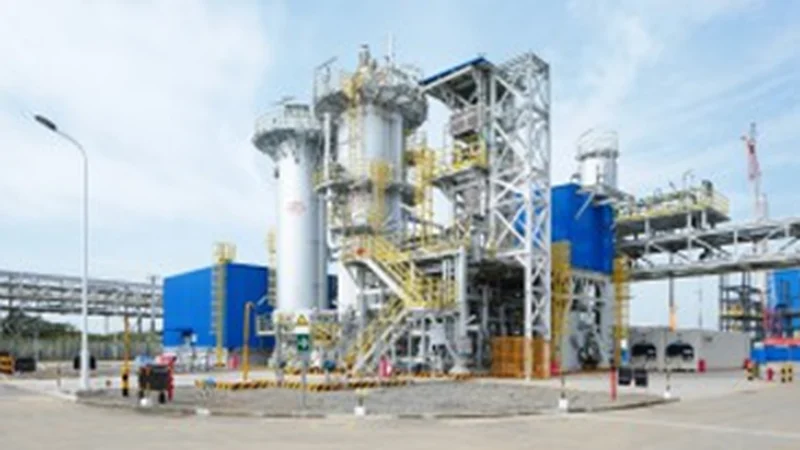
Automation and Process Control
Automated Systems: Advanced automation and process control enhance precision and consistency in starch manufacturing. Real-time monitoring and adjustments ensure superior product quality while minimizing waste.
IoT & AI Integration: IoT sensors and AI-driven analytics enable predictive maintenance and process optimization, reducing downtime and maximizing efficiency in starch production.
Sustainable Practices
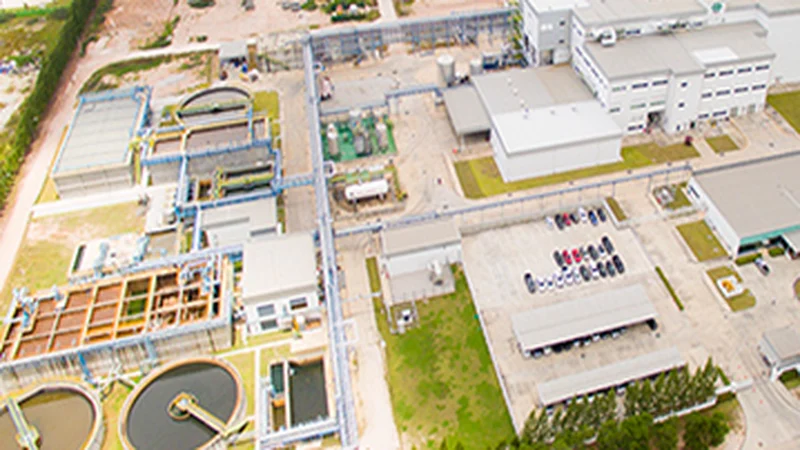
Water Recycling: Advances in water recycling technologies have reduced the water footprint of starch manufacturing. Closed-loop water systems are now more common, minimizing water usage and wastewater generation.
By-Product Utilization: There has been a significant focus on utilizing by-products like protein and fiber for animal feed or other industrial applications, reducing waste and adding value to the production process.
Modified Starches
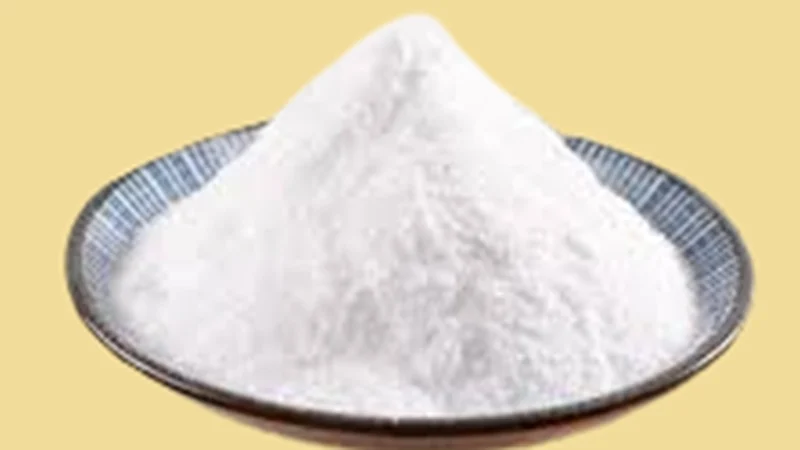
Chemical Modification: Enhances starch stability, texture, and retrogradation resistance for diverse industrial applications.
Physical Modification: Optimized heat-moisture treatment and annealing improve functionality without chemicals, meeting clean-label demands.
Cross-Linking: Strengthens starch granules, boosting resistance to heat, shear, and acidity for industrial use.
Esterification & Etherification: Improves clarity, viscosity, and freeze-thaw stability, benefiting food, pharma, and biomedical sectors.
Nanocomposites: Incorporating nanoparticles enhances mechanical strength and barrier properties, ideal for sustainable packaging.
Quality Control and Testing
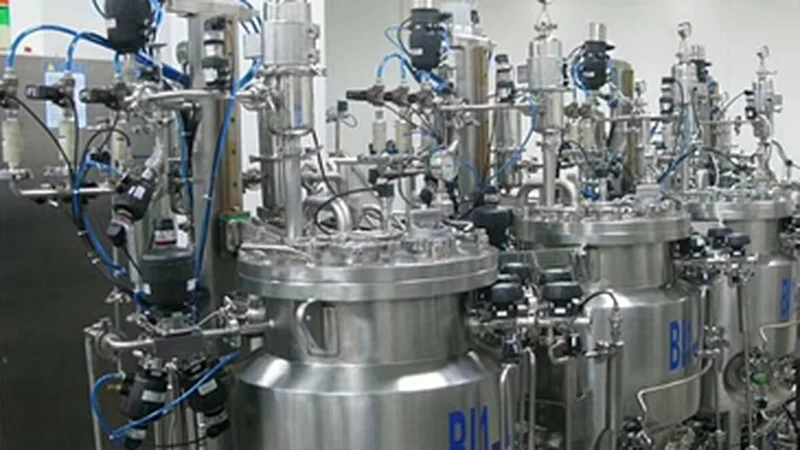
Advanced Analytical Techniques: The use of advanced analytical techniques like Near-Infrared (NIR) spectroscopy and High-Performance Liquid Chromatography (HPLC) has improved the accuracy of quality control measures.
Real-Time Monitoring: Real-time monitoring systems for parameters like moisture content, particle size, and starch purity have become more sophisticated, ensuring consistent product quality.

Biodegradable and Bio-Based Starches
Biodegradable Plastics: There has been significant research and development in producing biodegradable plastics from starch, driven by the demand for sustainable packaging solutions.
Bio-Based Materials: Starch is increasingly being used as a raw material for bio- based adhesives, coatings, and other industrial products.

Equipment Design
High-Efficiency Centrifuges: Next-generation centrifuges offer greater capacity and superior separation efficiency, optimizing large-scale starch processing.
Precision Sieving & Filtration: Advanced filtration and sieving technologies enhance starch purity by effectively removing impurities, ensuring consistent quality.
Globalization and Standardization
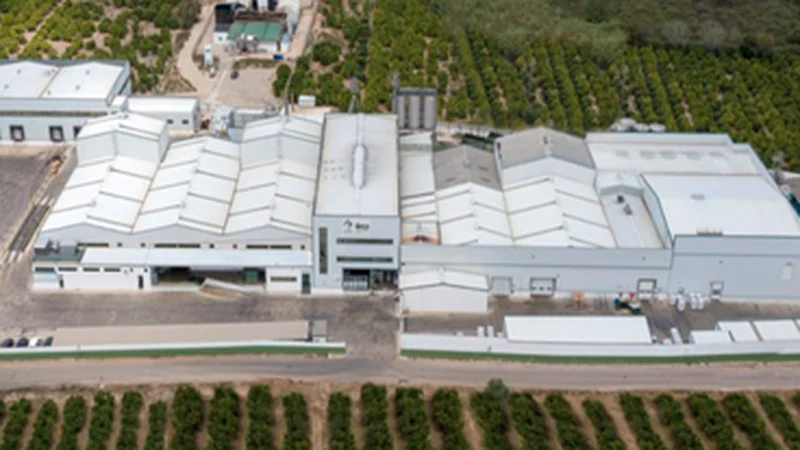
Global Supply Chains: The globalization of starch production has led to the standardization of processes and equipment, ensuring consistent quality across different regions.
Regulatory Compliance: Starch manufacturers are now more compliant with international standards and regulations, ensuring safer and higher-quality products.
Corn Seeds to Value Added Products Export Value Chain
Corn value addition could rival the textile sector within 10 to 15 years, benefiting farmers, industry and consumers across pharma, food, feed, packaging and chemicals, with openings for digitalization, women’s empowerment and youth entrepreneurship.
Business prospects
Ethanol and DDGS projects of 40, 60 and 150 thousand tonnes per year, sourcing 450,000 tonnes of corn directly from farmers.
A corn Eco Industrial Park with 22 value addition projects, sourcing one million tonnes of corn per year.
Handicraft exports from corn husk to raise rural incomes, especially for women.
Cob and stalk processing into bioethanol, PLA and activated carbon.
IT/ICT digitalization across the value chain.
TEC’s offers
- 01
Setting up 22 corn-based projects for pharma, food, feed, packaging and chemical sectors.
- 02
An Eco Industrial Park integrated with Industry 4.0 to cut shared capital and operating costs.
- 03
A handicraft training and export facilitation centre for women’s empowerment.
- 04
A 500 kg/day pilot plant for furfural and activated carbon from cobs and stalks.
- 05
A Corn Industry Resource Centre: banking, knowledge, IT/ICT and training under one roof.
- 06
A knowledge value chain built on AI, IoT, applied and basic research.
- 07
An IT/ICT tower for agri-tech, data analytics and R&D.